Everzen | Hệ sinh thái Nghỉ dưỡng – Đào tạo – Giáo dục Everzen | Hệ sinh thái Nghỉ dưỡng – Đào tạo – Giáo dục

Hoa Binh

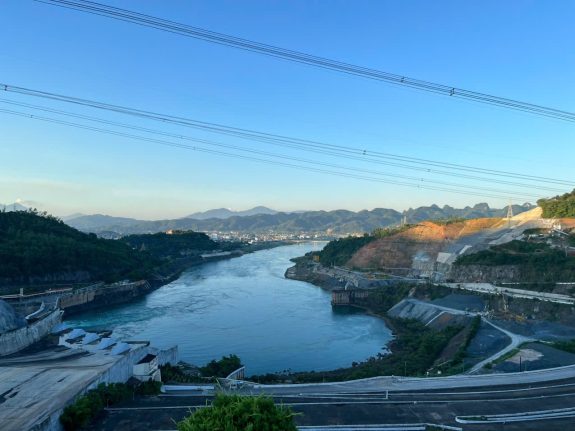
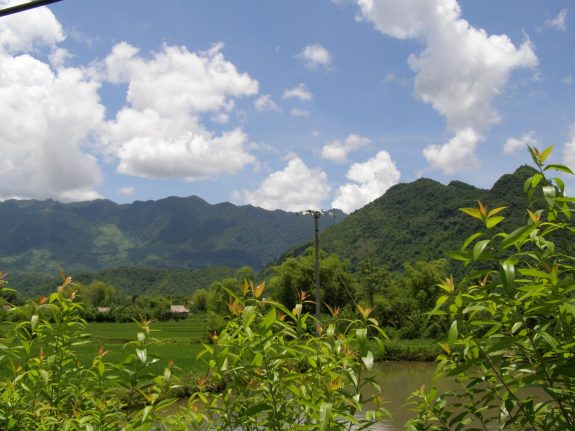
A ribbon of the Da River beneath white clouds
CHỌN CHO MÌNH MỘT Chuyến Đi
Điểm đến Hoa Binh
Hoa Binh
Soc Son
Son Tay – Ba Vi
Tam Dao
Thach Ha – Ha Tinh
Check-in Chọn ngày
Check-out Chọn ngày
Trải nghiệm Chọn trải nghiệm
Zen Camping
Zen Event
Zen Retreat
☎ Số điện thoại Nhập số điện thoại
Người lớn > 10 tuổi 1 người
Trẻ em 6-10 tuổi 0 người
Trẻ nhỏ 3-5 tuổi 0 người
Trẻ em miễn phí ≤ 2 tuổi 0 người

Hoa Binh

A precious gem of Northwest Vietnam

Hoa Binh lies at the gateway to Northwest Vietnam, where the busy lowlands give way to layered mountain landscapes. The city stretches along the mighty Da River, whose deep blue water winds between limestone mountains, creating scenery that feels both dramatic and serene. The region has long been home to communities including the Muong, Thai, Dao and Tay, each contributing its own cultural identity to the diverse life of the mountains.

Only around 1.5–2 hours from Hanoi, Hoa Binh opens into a very different world: the blue Da River, overlapping mountain ranges and peaceful villages tucked into valleys. It is an ideal choice for a short journey that still offers a complete blend of nature, local culture and distinctive Northwest cuisine.

CÁC ĐIỂM NGHỈ DƯỠNG EVERZEN TRONG VÙNG

Sights to visit in Destinantions

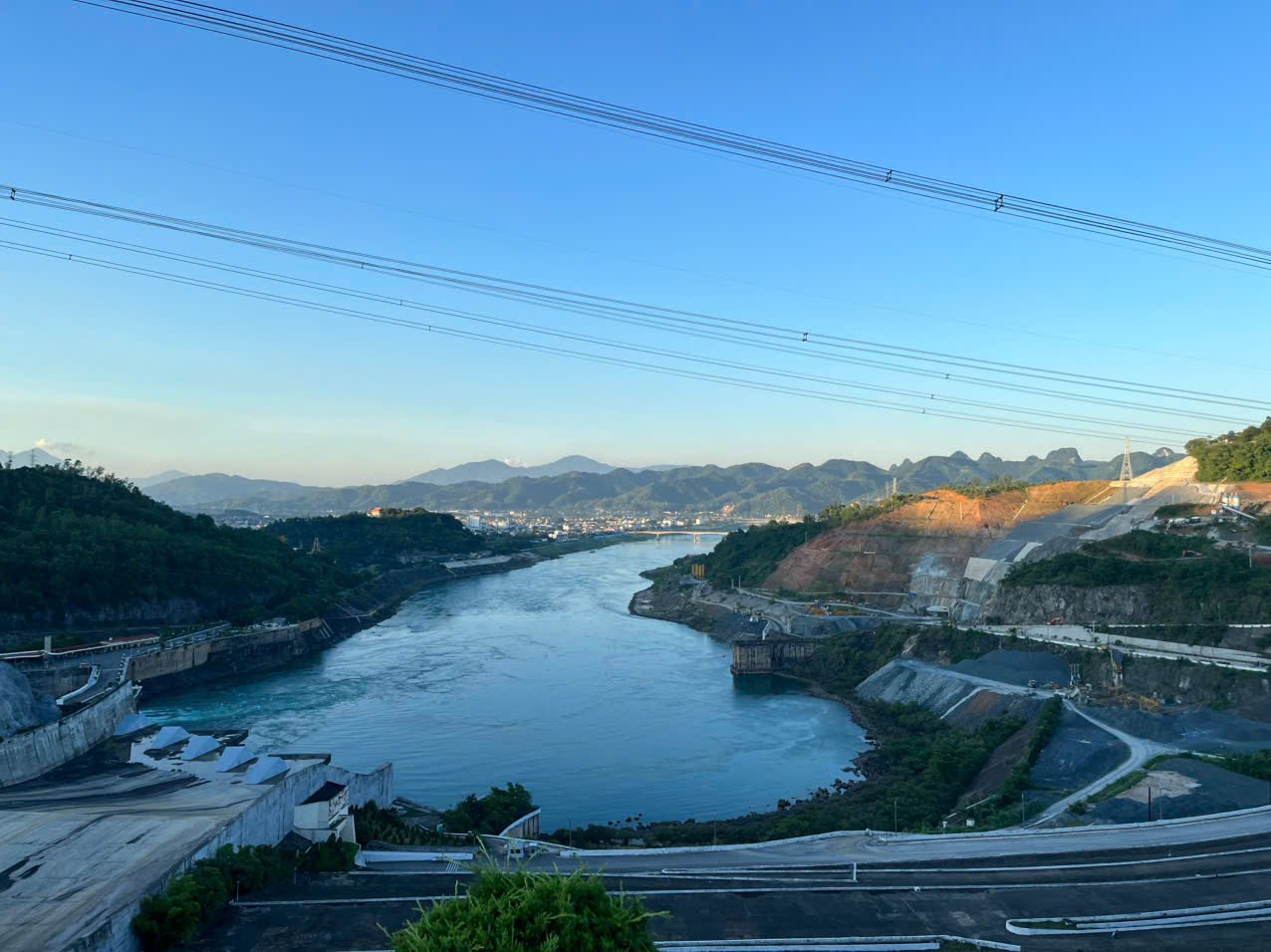
Hoa Binh Hydropower Plant

Hoa Binh Hydropower Plant is a major engineering landmark on the Da River and a source of local pride. At night, its lighting reflects across the water and creates a striking riverside scene. Beyond sightseeing, the site also offers a tangible look at Vietnam’s modern development and large-scale efforts to harness the power of the Da River.

Mai Chau – Lac Village

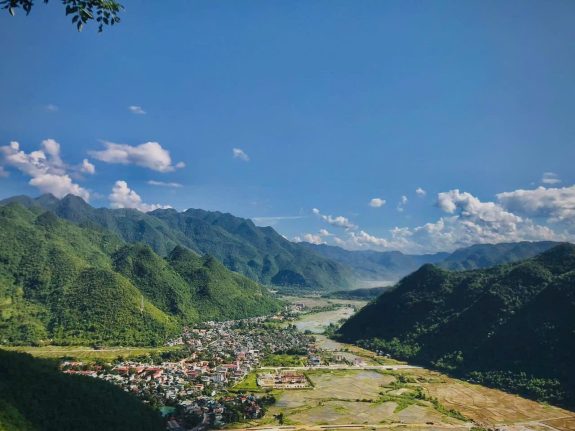
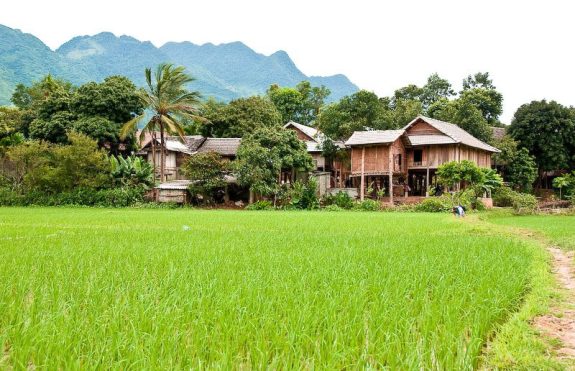
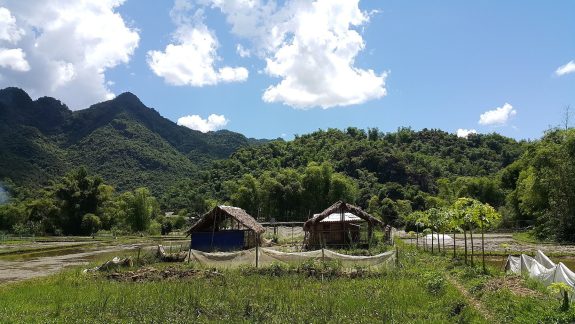
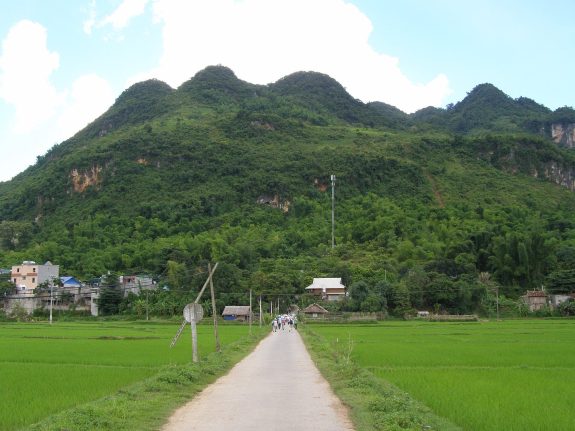
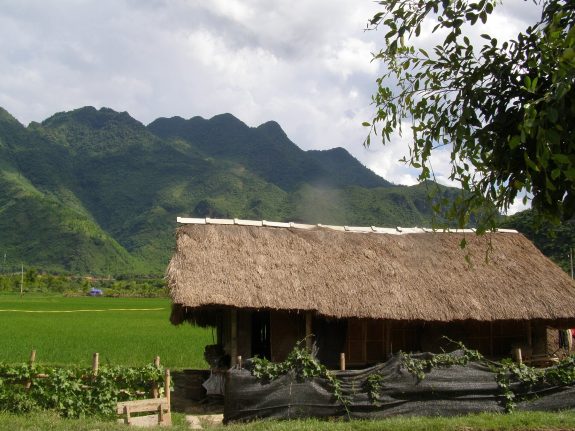
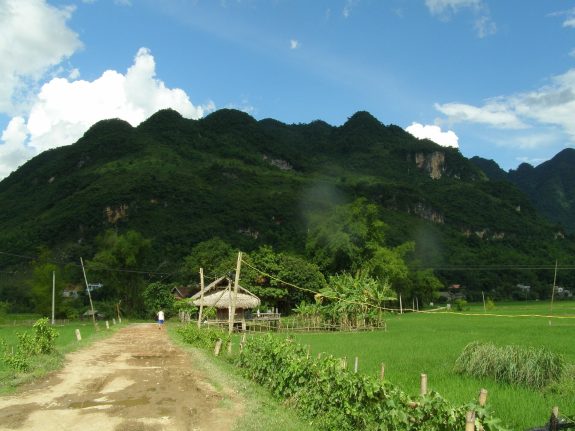
Mai Chau and Lac Village sit in a peaceful valley surrounded by mountains and seasonal rice fields. Visitors can stay in traditional stilt houses, cycle through the village, see brocade weaving and meet local families. Evenings often include campfires, Xoe dancing and ruou can, making Mai Chau a welcoming choice for travellers seeking cultural immersion and a slower pace without going too far from Hanoi.

Thung Nai

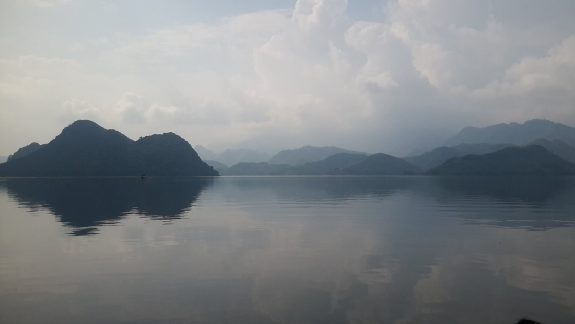
Thung Nai is often compared to a mountain version of Ha Long Bay, with broad reservoir waters and small islands rising from deep blue water. When the Hoa Binh reservoir filled, the mountain landscape became a maze of inlets and islands. Visitors can take boat trips, stop at Thac Bo Temple, visit the Sunday floating market and nearby villages, and enjoy freshly grilled Da River fish.

Go Lao Waterfall

Go Lao Waterfall lies near the Thung Nai area, hidden within green forest and retaining a cool, relatively untouched atmosphere. Water falls over several rock levels, creating fine mist that keeps the surrounding forest pleasantly cool even in summer. Shallow pools at the base are suitable for resting, cooling your feet and taking photos.

Temple of the Lady of Thac Bo

The temple honours the Lady of Thac Bo, associated with stories of helping local people cross dangerous rapids and supporting the Lam Son army during the time of Le Loi. Visitors reach the temple by boat across the reservoir, passing between mountains in a landscape that resembles an ink painting. With open water in front and mountains behind, the temple has a quiet spiritual atmosphere that invites reflection.

Festivals of the year in the region

Gong Festival

Gongs are often described as the soul of Muong culture, making the gong festival one of Hoa Binh’s most representative celebrations. As gong rhythms echo through the mountains, young people dance around the fire, sing folk songs and share village stories. The festival is both an occasion to give thanks to the spirits and a time for the community to gather and reconnect. For visitors, it offers a rare opportunity to experience Muong culture in a vivid and authentic setting.
The Xuong Dong Festival, also known as Khai Ha, is a traditional agricultural ritual held at the beginning of the lunar year. Muong communities give thanks to heaven and earth and pray for favourable weather, good harvests and family well-being. Alongside ancestral rituals and processions are folk games, swings and traditional singing and dancing. The sound of gongs and bright brocade clothing create a distinctive spring festival atmosphere across the fields.
Held around the middle of the third lunar month in Lo Son, this festival celebrates fishing skills together with local cultural and spiritual traditions. Ceremonies are performed first to pray for luck and prosperity, after which the community joins fishing activities, friendly competitions and folk games. The event reflects the close relationship between local people and the natural environment.
Held on the 16th day of the second lunar month in Phu Vinh Commune, Tan Lac District, the Ke Pagoda Festival reflects the spiritual life of the local community. People present offerings, pray and express gratitude to ancestors and deities in a solemn atmosphere. The festival also preserves longstanding cultural traditions and strengthens bonds within village life.
The Thai community’s Xen Muong Festival takes place on the fifth day of the second lunar month at sacred places such as stream sources or protected forests. Offerings and rituals are led by a traditional shaman, followed by folk games and traditional dances. The festival expresses prayers for good harvests and remembrance of protective spirits, reflecting deep community-based spiritual beliefs.
The Thac Bo Temple Festival runs from the second day of the first lunar month through the end of the third lunar month at the Temple of the Lady of Thac Bo by Hoa Binh Reservoir. Visitors and local residents burn incense and pray for peace while joining folk games, music, dance and local food experiences. The festival is especially attractive for travellers who want to combine a spiritual journey with the dramatic natural landscape of the reservoir.

Local food

Specialties of Hoa Binh

Grilled fish over charcoal

Fish from the Da River and local streams has firm, fragrant flesh with little fishiness. It is prepared in several ways, including grilling with galangal and fermented rice, steaming in banana leaves and braising. The aroma of fish grilling over charcoal is one of the memorable flavours many visitors associate with Hoa Binh.

Buffalo meat cooked with lom leaves

A well-known Hoa Binh specialty, especially in Muong cuisine, this dish combines fresh buffalo meat with naturally sour forest lom leaves. The meat becomes tender and aromatic, while the broth is gently sour, rich and balanced. The acidity helps soften the stronger flavour of buffalo and gives the dish its distinctive local character.
Fermented pork

Pork is cut into pieces, mixed with salt, roasted rice powder and forest leaves, then sealed in jars to ferment naturally. The result is lightly sour, rich and aromatic, usually served with fig leaves, herbs and cham cheo dipping seasoning. The crisp skin, tender lean meat and balanced sour-salty flavour make it a distinctive local dish.
Cao Phong oranges

Cao Phong oranges are among Hoa Binh’s best-known agricultural specialties, valued for their deep sweetness, juicy segments and distinctive aroma. The hilly soil and cooler climate produce thin-skinned, low-seed fruit with a balanced sweet-tart flavour. The season usually begins around October or November and often lasts beyond Tet, making the fruit a popular year-end gift.
prev
next

Outstanding free play in the area

Nature experiences and sightseeing

Outdoor recreation and activities

Cultural and spiritual travel

Explore local specialties and cuisine

Climate seasons

View from Mai Chau Flag Tower.jpg

Hoa Binh has a tropical monsoon climate typical of Vietnam’s midland and mountainous regions, with four distinct seasons but generally milder conditions than the lowlands thanks to its forests and mountains. Summer can be hot at times, while reservoir, valley and higher-altitude areas remain cooler and breezier. Winters are crisp, with light morning mist often settling over hills and villages. Spring is humid with occasional drizzle, while autumn is dry and pleasant and is often considered the best season to visit. With abundant greenery and water, the region is well suited to retreats, camping and outdoor activities.